How Roof Ventilation Helps Prevent Moisture and Mold
Roof ventilation helps prevent moisture and mold buildup by promoting proper airflow, and local contractors can install or improve systems to protect your home.
Homeowners and property owners in the area often find that proper roof ventilation plays a crucial role in maintaining a healthy, durable roof. When attic spaces and roofing systems are well-ventilated, it helps regulate temperature and moisture levels, reducing the risk of dampness that can lead to mold growth. Understanding how roof ventilation helps prevent moisture and mold is essential for preserving the integrity of a building and avoiding costly repairs down the line. This topic is especially relevant for those experiencing frequent humidity issues or noticing signs of mold, as effective ventilation can make a noticeable difference in indoor air quality and overall home comfort.
Local contractors specializing in roof ventilation offer practical solutions that can improve airflow and moisture control. These service providers understand the specific needs of properties in the area and can recommend appropriate ventilation systems tailored to individual roofs. Exploring how roof ventilation helps prevent moisture and mold can empower property owners to take proactive steps in protecting their investments. Keep reading to discover how proper ventilation contributes to a healthier, more resilient roof and learn how trusted local experts can assist in achieving optimal results.
- Attic Ventilation Installation - homeowners noticing excess moisture buildup in their attic can benefit from local contractors who specialize in proper attic ventilation to reduce humidity and prevent mold growth.
- Roof Ventilation Inspection - property owners experiencing condensation issues or musty odors may need a professional assessment to identify ventilation deficiencies that contribute to moisture problems.
- Ventilation System Repair - when existing roof vents are damaged or blocked, local service providers can restore airflow, helping to control moisture levels and inhibit mold development.
- Attic Fan Installation - those seeking to improve airflow in poorly ventilated attics can work with local pros to install fans that help regulate temperature and moisture.
- Roof Ventilation Upgrade - buildings with outdated or insufficient ventilation systems can benefit from upgrades performed by local contractors to better prevent moisture accumulation and mold issues.
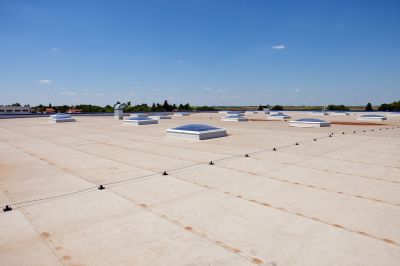
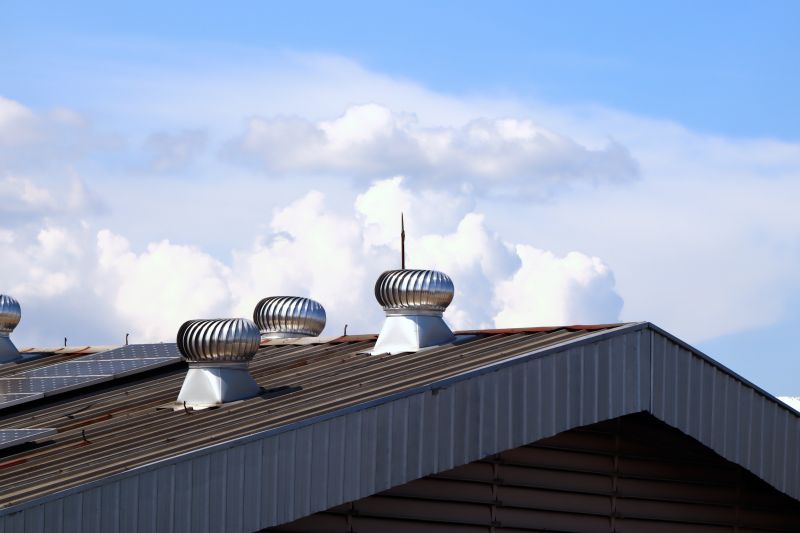
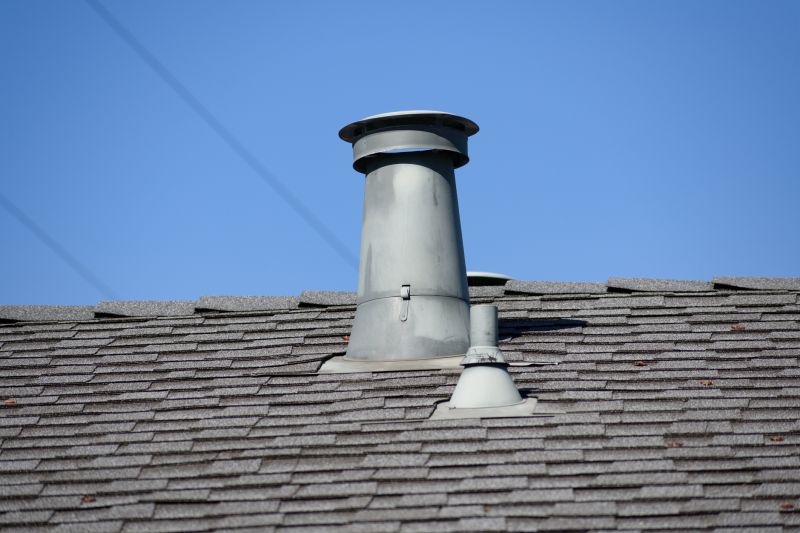
When people search for how roof ventilation helps prevent moisture and mold, they are often trying to understand the connection between proper attic airflow and indoor air quality. Many homeowners notice signs like musty odors, condensation on ceilings, or visible mold growth and want to know how their roof system can influence these issues. This topic is frequently related to concerns about maintaining a healthy, durable home environment, especially in areas with high humidity or significant temperature fluctuations. Understanding how ventilation works can help homeowners plan improvements to their existing roof systems or decide on new installations that promote better airflow and moisture control.
The problems associated with poor roof ventilation often include excess humidity, condensation, and the development of mold or mildew in the attic and living spaces below. These issues can lead to wood rot, compromised insulation, and even structural damage over time. Many homeowners are also considering roof upgrades or modifications to prevent these problems before they start, especially if they notice signs of moisture buildup or mold growth. Proper roof ventilation is a key part of these plans, as it helps regulate temperature and moisture levels in the attic, reducing the likelihood of mold-related issues and improving overall home health.
Typical properties that come up in discussions about roof ventilation include single-family homes, especially those with attics that are not well-ventilated, as well as multi-unit residential buildings, garages, and even some commercial structures. Homes with complex roof designs or those located in humid climates tend to benefit most from effective ventilation systems. These properties often require tailored solutions to ensure adequate airflow throughout the roof space, which can involve installing or upgrading soffit vents, ridge vents, or attic fans. Local contractors experienced in roof ventilation can assess the specific needs of each property and recommend the most suitable options to prevent moisture buildup and mold growth.
For homeowners exploring how roof ventilation helps prevent moisture and mold, understanding the role of local service providers is essential. These professionals can evaluate existing roof systems, identify areas where ventilation may be lacking, and recommend practical solutions to improve airflow. Properly installed vents and fans work to exhaust excess moisture and hot air, creating a balanced environment that discourages mold growth and protects the roof’s structural integrity. Connecting with local pros ensures that the ventilation improvements are suited to the property’s design and climate, providing a reliable way to maintain a healthier, more durable home environment over time.
Attic Insulation Projects - Proper attic insulation often requires understanding ventilation systems to prevent moisture buildup and mold growth, making it a key skill for local contractors.
Attic Ventilation System Installations - Installing or upgrading attic ventilation systems directly impacts how roof ventilation helps prevent moisture and mold in residential and commercial buildings.
Roof Repair and Replacement - Proper roof repairs and replacements often involve assessing and improving ventilation to ensure moisture does not accumulate under roofing materials.
Gable and Roof Vent Installation - Adding or replacing gable and roof vents is essential for effective roof ventilation, helping to control moisture levels and prevent mold issues.
Attic Air Sealing Projects - Sealing leaks and gaps in attic spaces complements ventilation efforts, ensuring proper airflow and reducing moisture-related problems.
Attic Fan and Ventilator Upgrades - Upgrading attic fans and ventilators enhances airflow, which is crucial for preventing moisture buildup and mold development in roof spaces.
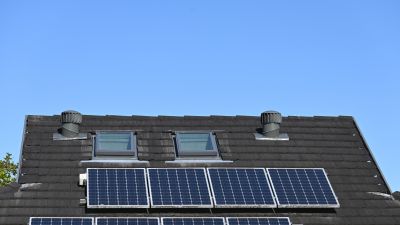
When evaluating local contractors for roof ventilation services, it is important to consider their experience with similar projects. Homeowners should seek out providers who have a proven track record of installing or upgrading ventilation systems in residential settings comparable to their own. An experienced service provider is more likely to understand the nuances of how roof ventilation helps prevent moisture and mold, ensuring that the system is appropriately designed for the specific roof type and climate conditions. This familiarity can lead to more effective solutions that address potential moisture issues before they develop into costly problems.
Clear, written expectations are essential when comparing different local contractors. Homeowners should look for providers who can articulate the scope of work, the types of ventilation options available, and how these solutions contribute to preventing moisture buildup and mold growth. A detailed proposal or estimate that outlines the responsibilities of each party helps ensure everyone is aligned on the project goals and deliverables. Well-defined expectations also serve as a foundation for trust and accountability throughout the process, reducing the likelihood of misunderstandings or surprises once work begins.
Good communication and reputable references are key indicators of a reliable service provider. Homeowners are encouraged to inquire about references from previous clients who had similar roof ventilation needs. Speaking with past customers can provide insights into the contractor’s professionalism, responsiveness, and ability to deliver quality results. Additionally, a contractor who maintains open lines of communication and promptly addresses questions or concerns demonstrates a commitment to customer satisfaction. These qualities help ensure that the project will proceed smoothly and that the chosen service provider will be responsive to the homeowner’s needs during the entire process.
Property owners often search for how roof ventilation helps prevent moisture and mold when they are planning practical projects around their homes and businesses. Local pros provide Roof Ventilation services for everyday jobs and straightforward project options.
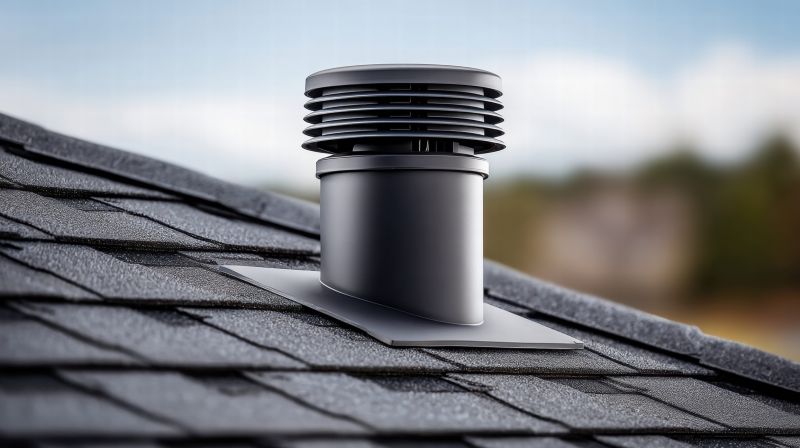
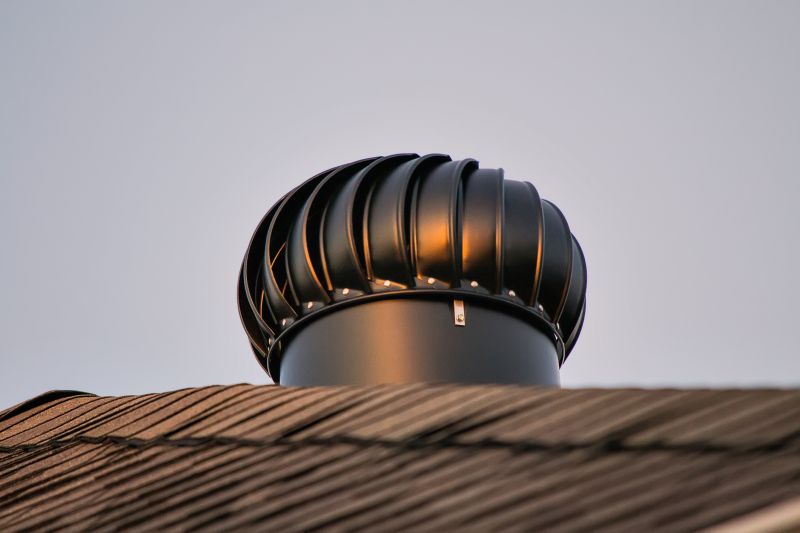
Proper roof ventilation plays a key role in preventing moisture buildup inside homes, especially in areas prone to high humidity or frequent weather changes. When a roof is well-ventilated, it allows warm, moist air to escape and fresh air to circulate, reducing the chances of condensation forming within the attic or roof spaces. This simple yet effective process helps property owners avoid issues like peeling paint, warped wood, and other signs of excess moisture that can lead to mold growth over time.
For many property owners in the area, understanding how roof ventilation helps prevent moisture and mold highlights the importance of professional installation or upgrades. Local contractors who specialize in roof ventilation can assess existing systems and recommend solutions to improve airflow. Properly ventilated roofs not only contribute to healthier indoor air quality but also help protect the structural integrity of the home, making it worthwhile to explore expert services for ensuring optimal ventilation.
How does roof ventilation help prevent moisture buildup? Proper roof ventilation allows moist air to escape from the attic, reducing humidity levels that can lead to moisture accumulation and mold growth. Local contractors can install or improve ventilation systems to ensure effective airflow.
Why is mold prevention important in roof ventilation? Mold thrives in damp, poorly ventilated spaces, which can cause health issues and damage to the home. Local service providers can assess and upgrade ventilation to help keep attic spaces dry and mold-free.
Can roof ventilation reduce the risk of roof damage? Yes, effective ventilation helps prevent ice dams, wood rot, and shingle deterioration caused by excess moisture. Local contractors can recommend ventilation solutions that protect the roof’s integrity over time.
What types of roof ventilation are available to prevent mold? Common options include ridge vents, soffit vents, and attic fans. Local pros can evaluate the home and suggest the best ventilation system to improve airflow and moisture control.
How do local roof ventilation services improve indoor air quality? Proper attic ventilation reduces excess humidity that can seep into living spaces, helping maintain healthier indoor air. Service providers can ensure ventilation systems are correctly installed for optimal air circulation.
Assess attic ventilation needs - property owners can evaluate their attic space to identify areas where proper airflow may be lacking and seek local contractors to install or upgrade roof vents.
Improve airflow in humid seasons - during periods of high humidity, property owners might work with local service providers to add vents that help moisture escape and reduce mold risk.
Install ridge or soffit vents - homeowners can consider adding ridge or soffit vents with the help of local pros to ensure continuous air circulation inside the attic.
Regularly inspect existing ventilation systems - property owners should periodically check their roof vents for blockages or damage and contact local contractors for repairs or replacements to maintain effective moisture control.
If you are thinking about how roof ventilation helps prevent moisture and mold for a property, this guide is meant to help you understand this topic, the typical project types, and how different options might fit your plans.
When you are ready, you can use the quote form on this page to share a few details about your project. From there, local pros can review the basics and follow up with options that match what you have in mind.